
Oftentimes, the longevity and severity of your alcohol use disorder (AUD) will play a role in the withdrawal symptoms you experience. For example, individuals who have struggled with years of heavy drinking are more likely to develop serious withdrawal symptoms like seizures or delirium tremens. When alcohol detox is treated in an inpatient rehab facility, different medications may be used to help reduce uncomfortable withdrawal symptoms. Medications can also help keep a person’s body chemicals in balance, lowering the risk for serious complications. In rehab, a medical professional will administer the medication and monitor its effects.
During an exam, they’ll look for other medical conditions to see if they could be to blame. https://ecosoberhouse.com/ It slows down brain function and changes the way your nerves send messages back and forth.
Risk factors
Patients with a history of alcohol dependence may have confounding social or underlying psychiatric issues that one should also be aware of once they are stabilized. They will likely require a multidisciplinary approach before discharge. Propofol is used to manage refractory cases of delirium tremens, and baclofen can be used to treat muscle spasms.
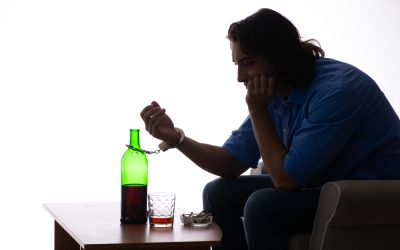
Behavioral treatment programs are helpful for people who want to quit drinking. These programs involve working with a team of mental health professionals in a group and individual setting. If you make the decision to stop drinking daily and heavily, you will likely experience withdrawal symptoms. The time it takes to detox depends on a few factors, including how much you drink, how long you’ve been drinking, and whether you’ve experienced alcohol withdrawal before.
Support Groups
Take our free, 5-minute alcohol misuse self-assessment below if you think you or someone you love might be struggling with an alcohol use disorder (AUD). The evaluation consists of 11 yes or no questions that are intended to be used as an informational tool to assess the severity and probability of an AUD. The test is free, confidential, and no personal information is needed to receive the result. Research shows people who have a supportive social network are more likely to remain alcohol-free after withdrawal. Those with a wider circle of support have a better chance of staying sober. There are many support options available that can help guide you through alcohol withdrawal, as well as abstaining from alcohol after withdrawal.
- Stopping drinking abruptly can lead to seizures and can even be fatal.
- Gradually tapering your alcohol use helps ease withdrawal symptoms and reduce alcohol cravings.
- When you talk to your doctor about symptom relief, it’s a good idea to discuss treatment for alcohol abuse or dependence.
Tapering increases the length of the detox process, but it might be better for you in the long run. If you’re living with alcohol use disorder, treatment at a medical rehabilitation facility is your best option. Through therapy, support groups and medication, alcohol detox you’ll be supported on your path to recovery. If you are addicted to alcohol, pills, or illegal drugs, the first step toward recovery is detox. Also called detoxification or withdrawal treatment, detox is the process of clearing the substance from your body.
Lifestyle and home remedies
Stopping drinking abruptly can lead to seizures and can even be fatal. This article discusses alcohol withdrawal, its symptoms, and potential complications. It also provides an overview of the alcohol withdrawal timeline process and when to discuss your drinking with your healthcare provider. If you are concerned about potential alcohol withdrawal symptoms, talk to your doctor. A doctor can evaluate your overall health and alcohol abuse history to help you determine how likely it is that you’ll experience symptoms.
- If you’ve stopped drinking and still can’t sleep, talk to your provider.
- We’re here 24/7 to help guide you or your loved on through rehab and recovery.
- This information helps your medical team determine which medicine will help alleviate your discomfort.
- It’s possible to develop a better relationship with alcohol and make more mindful, informed choices about drinking without total sobriety.
“While for some people these structural changes are not reversible, most people are able to show less shrinkage in one to three months with alcohol abstinence,” says Volpicelli. Quitting alcohol and abstaining for several months to a year gives your brain a chance to try to recover. For example, research shows that people will see their stress levels, relationships, work performance, and self-confidence get better when they get sober. Neurotransmitters can rebound beyond their usual activity levels, which can leave you feeling anxious and irritable. Volpicelli explains that this volleying can also lead to low motivation or anxiety and depression.